States and ​“Familiar Faces” in the Justice System

Most jurisdictions are home to a small population of people who cycle through the criminal justice and behavioral health systems. With help from the Council of State Governments Justice Center, Georgia and New Mexico set out to address the problem. Happy to talk with Michael Friedrich about the importance of the "Familiar Faces" initiative led by …

As Foundation for ‘Excited Delirium’ Diagnosis Cracks, Fallout Spreads

I was happy to talk with KFF Health News on the important new developments debunking the faulty science of the "excited delirium" diagnosis. This diagnosis, which is not based in objective, credible science has been used as a finding for cause of death in numerous police killings of civilians, especially Black men. It had been …

Special Issue Guest Editor: Envisaging the future of policing and public health

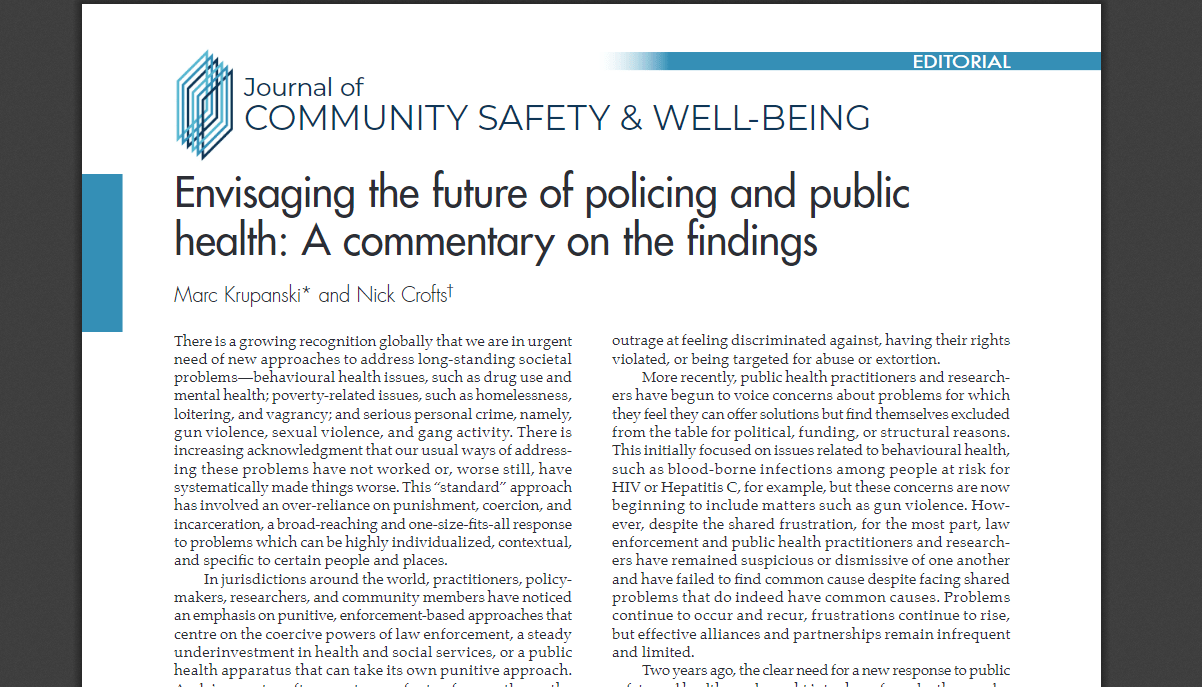
I had the great opportunity to partner with Dr. Nick Crofts of the Centre for Law Enforcement and Public Health (Australia) to serve as the Guest Editor for a special issue of the Journal of Community Safety and Well-Being. The special issue, Envisaging Healthy and Safe Communities, shares lessons from a project we led that sought to document and highlight initiatives across the globe that are taking alternative approaches to promote health and safety.

Using Crafts to Find Common Ground – printmaking with veterans

David runs a nonprofit art organization, Frontline Arts, that uses craft, printmaking, and papermaking as a connective practice among veterans and also between veterans and other communities. It’s a way to find commonality in different yet familiar experiences, reclaim and tell personal stories, and build connection toward greater positive change.

Envisioning the Future: Police & Public Health

Happy to share a recent publication I wrote with colleagues for the Journal of Community Safety and Well-Being, a Canadian-based international journal founded on the principles of multi-sector collaboration. The piece details our current project to document practical examples from jurisdictions across the world of alternative approaches to solving entrenched social challenges and problems without relying upon a punitive and enforcement-led policing model

Police and Harm Reduction

Sharing the 2018 guidance document I wrote for law enforcement personnel around the world on practical steps they can take to advance public safety, public health, and public confidence, particularly in relation to drug enforcement. As overdose deaths, police violence, and public protests all continue to soar, this guidance has become even more important. There are other options to keep communities healthy and safe.

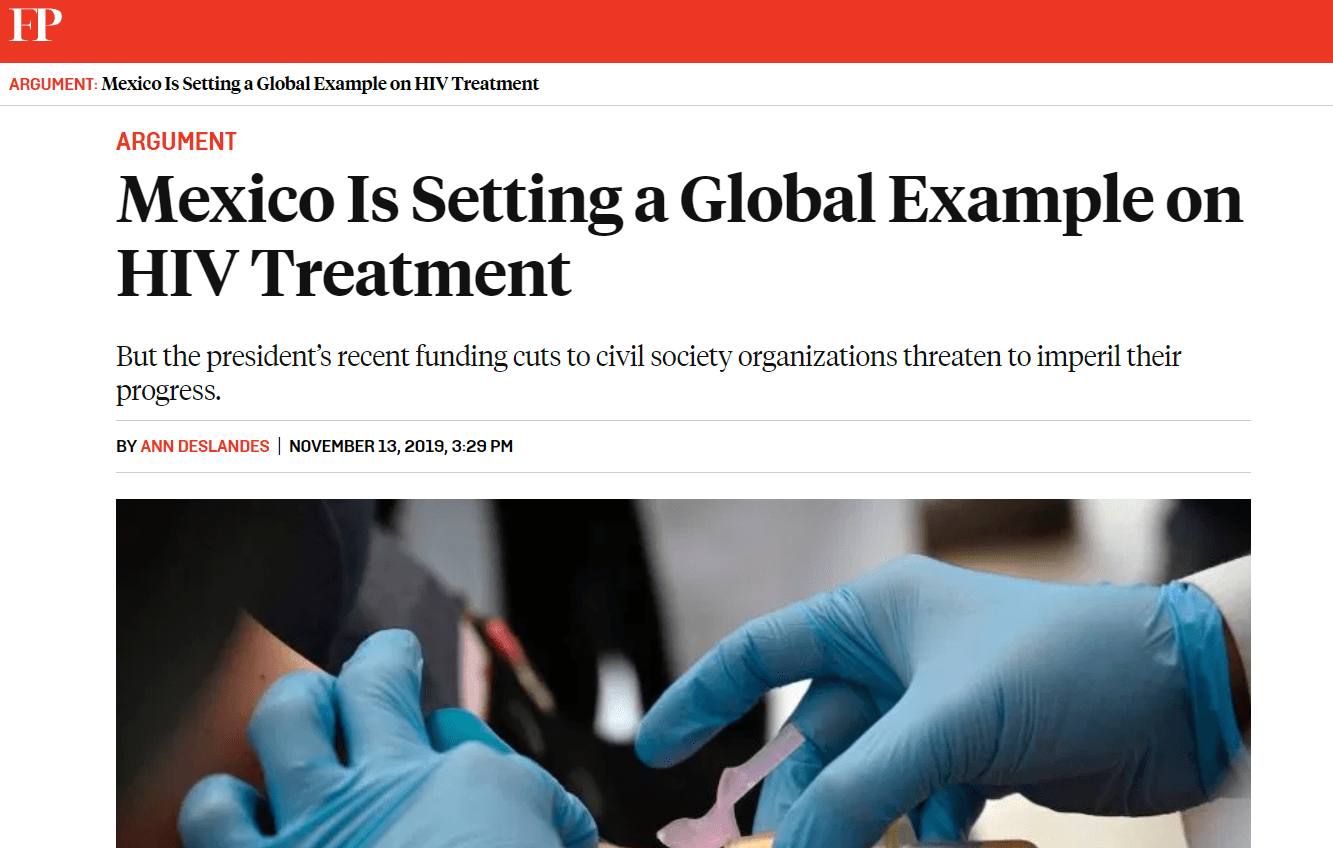
“Mexico Is Setting a Global Example on HIV Treatment” — But the president’s recent funding cuts to civil society organizations threaten to imperil their progress.

**Featured interview in this article by Anne Deslandes, published by Foreign Policy on November 13, 2019. Available here.** HIV in Mexico is once again a time bomb that will explode.” That’s how Aram Barra described the current trajectory of the immunodeficiency virus in the country at the International AIDS Society Conference on HIV Science in Mexico City …

Book Launch—City of Omens: A Search for the Missing Women of the Borderlands – July 11 NYC

I am very happy to host this book launch and moderate the subsequent discussion with Dan Werb, Maia Szalavitz, and Dr. Patty Gonzalez-Zuñiga, and featuring Dan's new book City of Omens: A Search for the Missing Women of the Borderlands. Having visited and supported harm reduction and community safety work in Tijuana for the past several …

Portuguese & Russian language versions of “Police & Harm Reduction” now available

A quick post to share that my guidance document for law enforcement - "Police and Harm Reduction" - is now available for free download in both Russian and Portuguese in addition to English. A Spanish language version is coming soon. As a reminder as to what this guidance document is about: "In many cities around the …

A public health approach to policing

“We have a choice: do we want to be a repressive or supportive service? We recognize all people are equal before the law & must be treated as such & those most affected must lead solutions.” - Asst Commissioner of Amsterdam @Politie addressing police from around world #AIDS2018

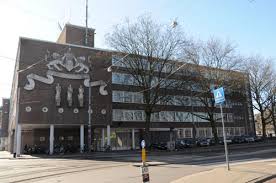
On the last day of the 2018 International AIDS Conference held in Amsterdam, I was lucky to join 25 police and civil society leaders from several countries across Sub-Saharan Africa and Southeast Asia on a visit and meeting with the Amsterdam police branch of the Dutch National Police. The meeting was held at the Amsterdam police headquarters. The focus was on what it means to embrace a public health approach to policing. Is this possible? What does it mean for police and society?